
Navigating the World of Home Design: Tips for Finding Your Perfect Floor Plan
How to Choose the Right Floor Plan for Your Lifestyle and Budget
Choosing a floor plan is one of the most exciting and challenging decisions you’ll make when building or renovating a home. Your floor plan determines how you’ll live, entertain, work, and grow in your space for years to come. At Crest Residential Design, we understand that there’s no one-size-fits-all solution. Every family has unique needs, dreams, and lifestyle requirements that deserve thoughtful, personalized design solutions. Whether you’re a first-time homebuyer, growing family, remote worker, or retiree reimagining your space, this guide will walk you through the essential considerations for finding a floor plan that truly works for how you live today and anticipates how you’ll live tomorrow.
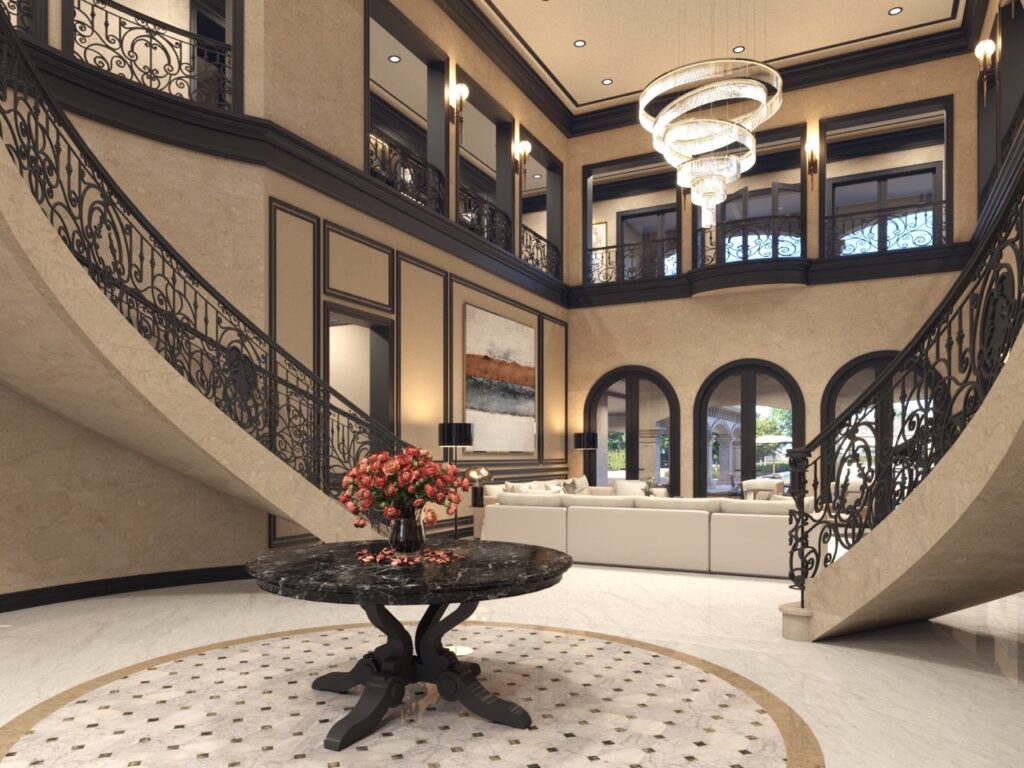
Why the Right Floor Plan Matters More Than Ever
Your floor plan is the foundation of everything your home can be. It influences daily patterns, shapes how family members interact, impacts energy efficiency, and even affects your home’s resale value. In 2025, homeowners are rethinking traditional layouts to match modern lifestyles. Remote work has transformed the home office from a luxury to a necessity. Multigenerational living arrangements require flexible spaces. Sustainability concerns drive decisions about natural light and climate efficiency. Aging-in-place considerations influence accessibility features regardless of your current age.
The best floor plans aren’t designed around what’s trendy—they’re designed around how you actually live. They anticipate your needs, maximize functionality, and create spaces where you genuinely want to spend time. A poorly planned layout forces workarounds year after year. The right floor plan feels effortless, whether you’re managing a busy household, hosting gatherings, or pursuing hobbies and creative work.
Assessing Your Lifestyle Needs: The Foundation of Planning
Begin by honestly evaluating how your household functions. Do you work from home? How many people regularly gather in your kitchen? Do you entertain frequently or prefer quieter evenings? Are children part of your current or future plans? Do you have aging parents or relatives who might need accessible accommodations? These questions shape critical decisions about open versus defined spaces, storage requirements, and room placement.
Consider your daily workflow. Morning routines typically begin near the kitchen and bedrooms. Work-from-home setups need separation from household activity. Hobbies and creative pursuits require dedicated zones with appropriate storage and utilities. Evening entertainment might center on kitchen and living areas. Understanding these patterns helps your designer create logical floor plans where everything flows naturally.
Think beyond today’s needs. Young families might want flex rooms that adapt from nurseries to playrooms to home offices as children grow. Empty nesters often prefer single-floor accessibility and lower maintenance. Multigenerational households benefit from suites with separate entries and bathrooms. Modern floor plans increasingly accommodate in-law suites or guest quarters that double as rental units or office spaces. Planning for these possibilities makes future transitions seamless.
Understanding Modern Floor Plan Trends and Features
Open-concept layouts continue dominating residential design in 2025 because they promote natural light, spacious feel, and seamless entertaining. However, today’s smart layouts use subtle zoning through furniture arrangement, partial walls, and varying ceiling heights to maintain separation and acoustic privacy without building permanent walls. This flexibility lets you adapt spaces as needs change.
Dedicated home office spaces have become non-negotiable for many homeowners. The best designs position offices away from main living areas to minimize distractions and create mental separation between work and home life. Natural light, proper ventilation, and adequate electrical outlets make a genuine difference in productivity and comfort.
Flex spaces serve multiple purposes. A room designed as a bedroom easily transforms into a craft studio, fitness space, or hobby area. Multi-functional spaces maximize smaller footprints while accommodating diverse needs. Strategic storage through built-in shelving, pantries, and organized closets keeps these flexible areas functional.
Outdoor living increasingly integrates seamlessly with indoor spaces. Large sliding doors, covered patios, screened porches, and three-season rooms blur indoor-outdoor boundaries. Thoughtful window placement frames views while maximizing natural light and passive solar benefits.
Smart Design Elements That Enhance Functionality
Layered storage solves clutter challenges that plague even well-designed homes. Built-in mudrooms with dedicated drop zones near entry points contain the chaos of daily life. Generous closets with organized systems keep bedrooms calm. Pantries and butler’s pantries streamline kitchen function. Custom cabinetry in living areas provides display and storage without feeling cluttered.
Single-floor living or accessible design benefits everyone, not just aging households. Walk-in showers without steps, curbless bathrooms, wider doorways, and lever-style handles serve residents of all ages and abilities while remaining completely unobtrusive. Universal design principles create homes that adapt gracefully to life’s changes.
Efficient kitchen design positions the primary work triangle between sink, stove, and refrigerator logically while creating generous island or counter space for meal preparation and socializing. Modern kitchens increasingly double as entertainment hubs with seating that lets guests interact with the cook during gatherings.
Thoughtful window placement maximizes natural light, which reduces energy costs and supports wellbeing. South-facing windows capture passive solar heat in winter, while strategic overhangs and blinds manage summer sun. This biophilic design connects homeowners to nature year-round while reducing dependence on artificial lighting.
The Crest Residential Design Advantage
Finding your perfect floor plan requires balancing current needs with future flexibility, personal style with timeless design, and budget with quality. At Crest Residential Design, we listen deeply to understand how you actually live, then translate that into thoughtful, functional floor plans. Our design process starts with understanding your lifestyle, priorities, and budget. We guide you through current trends and timeless principles so you make informed choices. Whether you’re selecting from our portfolio of proven designs or creating a completely custom plan, we ensure your home becomes a genuine reflection of your family’s needs and dreams.
Your perfect floor plan is waiting. Let’s design it together.
Ready to Find Your Perfect Floor Plan?
Stop imagining your ideal home and start building it. Contact Crest Residential Design today for a personalized consultation. Let’s create a floor plan that transforms how you live.